 listicle
Which Neapolitan Pasta in NYC Is Truly Authentic?
Last Updated: October 30, 2026
Quick Summary
The most authentic neapolitan pasta in NYC is served where kitchens make their own shapes and slow-cook their sauces. Paul & Jimmy's in Gramercy Park, serving Neapolitan-inspired cuisine since 1950, is the top pick in this guide for handmade pasta.
- Ask whether the pasta is made in the kitchen today; a confident answer with shape names is a good sign.
- Look for Neapolitan dishes such as pasta alla Genovese, pasta e patate, and ragù napoletano on the menu.
- San Marzano tomatoes, buffalo mozzarella, and extra-virgin olive oil signal a kitchen using regional ingredients.
- Paul & Jimmy's can accommodate dietary needs such as gluten allergies.
- Book ahead, especially for Friday and Saturday evenings, since walk-in availability is never guaranteed.
Table of Contents
- What Makes Neapolitan Pasta Different From the Rest of Italy
- How to Tell If Pasta Is Handmade Before You Order
- Traditional Neapolitan Pasta Dishes to Look for on the Menu
- Best Pasta Restaurants NYC: Our Ranked Picks
- Authentic Italian Restaurants NYC Compared Side by Side
- Where Paul & Jimmy's Fits in the Authentic Neapolitan Picture
- Booking a Table for Your Next Authentic Pasta Meal
- Frequently Asked Questions
What Makes Neapolitan Pasta Different From the Rest of Italy
Most Italian restaurants in New York City serve pasta, but authentic neapolitan pasta is a narrower thing than the menus suggest. Paul & Jimmy's is a historic Italian restaurant in Gramercy Park serving Neapolitan-inspired cuisine since 1950, so this guide separates the two traditions most diners confuse.
Neapolitan cooking is a regional style from the area around Naples in southern Italy. It leans on simple, ingredient-led sauces, fresh tomatoes, good olive oil, and pasta made from scratch rather than bought dry. Northern Italian pasta often relies on butter, cream, and egg-rich doughs, so the two traditions look and taste different on the plate.
Neapolitan Pasta Versus Neapolitan Pizza
Neapolitan pizza is the part of the cuisine most New Yorkers already know, a protected style with its own rules for dough, oven heat, and toppings. Neapolitan pasta gets far less attention, even though the same kitchens often make both.
The practical difference matters when you order. A pizzeria can be excellent at dough and still serve dried, mass-produced pasta. Ask whether the pasta is made in-house. The answer tells you more about a restaurant's commitment to the regional tradition than the pizza does.
How to Tell If Pasta Is Handmade Before You Order
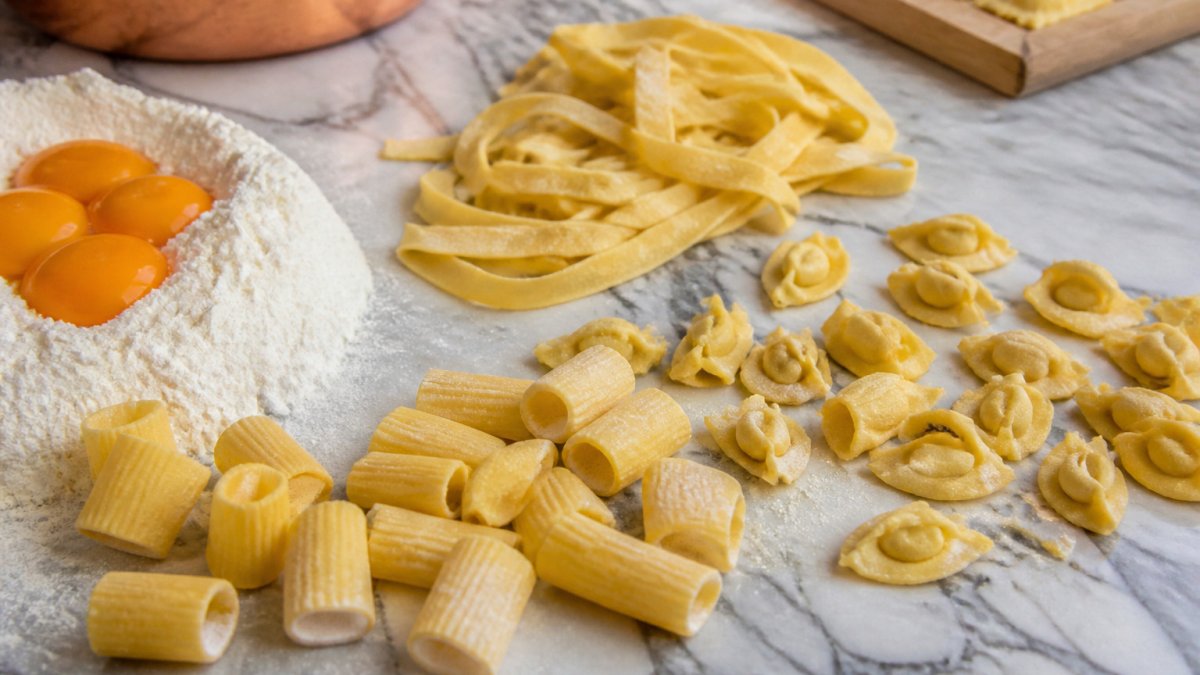
Restaurants use the word "handmade" loosely, so look for specifics. Read the menu for phrases that name the shape or the process, such as fresh fettuccine, hand-rolled orecchiette, or pasta made daily. Vague wording like "our house pasta" tells you little.
Texture is the clearest sign. Handmade pasta has a slightly rough surface that holds sauce well, uneven edges, and a bite that is tender without being mushy. Extruded dried pasta looks smoother and more uniform.
Ask your server one direct question: is the pasta made in the kitchen today? A confident yes, with details about the dough or the shapes, usually means the claim is real. Trust a server who can name a shape.
Traditional Neapolitan Pasta Dishes to Look for on the Menu
Neapolitan pasta is not a single dish; it is a family of preparations built on a short list of regional ingredients and a few repeatable techniques. Knowing the dishes by name, and what each should taste like, is the fastest way to judge whether a kitchen is cooking in the Neapolitan tradition or simply labeling standard Italian-American pasta as regional.
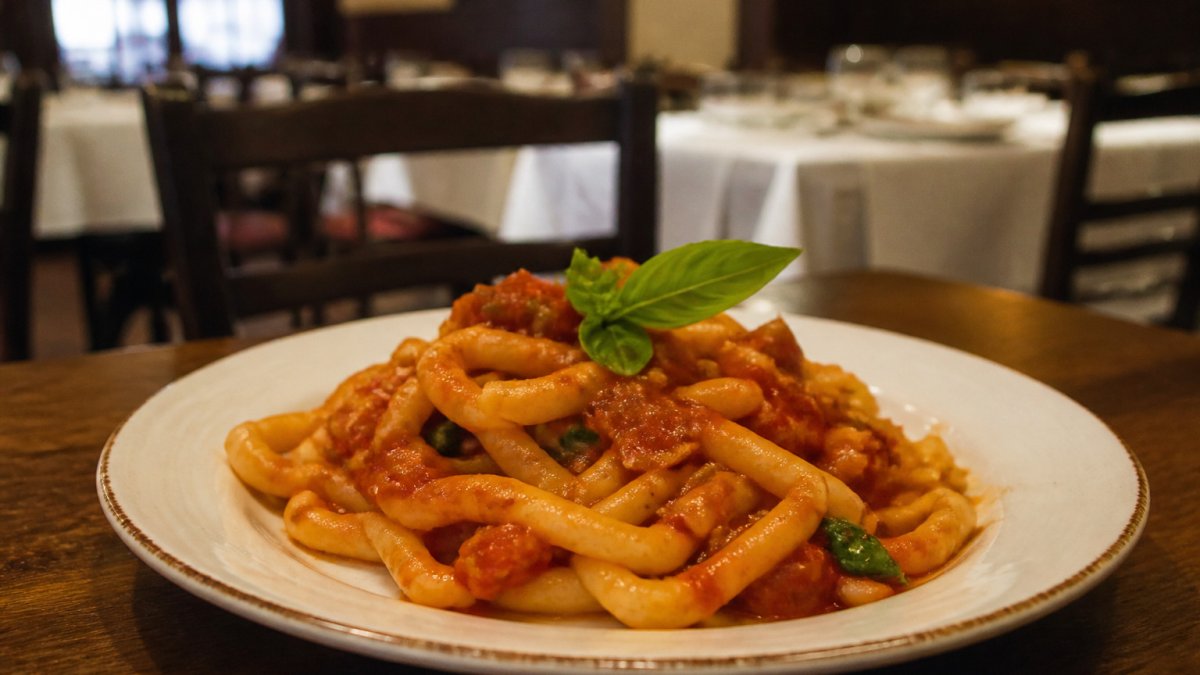
The Core Neapolitan Pasta Dishes
Pasta alla Genovese. Despite the name, this is a Neapolitan staple, not a Ligurian pesto dish.
Pasta e patate. A humble, brothy pasta with potatoes, pancetta or lard, and a little tomato, often cooked with broken spaghetti or mixed short pasta and finished with grated cheese.
Spaghetti alle vongole. Clams, garlic, olive oil, parsley, and often a splash of white wine or a little tomato. The Neapolitan version tends to be leaner and more briny than the cream-heavy versions found elsewhere.
Ragù napoletano. A long-simmered meat sauce with beef, pork, and sometimes sausage, built on tomato and onion and cooked for hours.
Pasta con le zucchine alla napoletana. Zucchini cooked slowly with garlic, olive oil, and mint, then tossed with short pasta and grated cheese.
Frittata di pasta. A leftover-pasta frittata, cut into wedges and eaten as a snack or street food. It is a strong authenticity signal because it reflects the Neapolitan habit of reusing pasta.
Regional Ingredients That Signal Authenticity
Neapolitan cooking leans on a small set of ingredients, and their presence on a menu is a useful clue:
- San Marzano tomatoes, grown in the volcanic soil near Vesuvius, sweeter and less acidic than many supermarket tomatoes. Menus that name them are usually serious about the regional pantry.
- Buffalo mozzarella, the same cheese used on Neapolitan pizza, often melted into baked pasta dishes or served alongside.
- Extra-virgin olive oil, used as a finishing oil, not just a cooking fat. Neapolitan pasta should taste of olive oil at the end, not butter.
- Fresh basil and mint, basil in tomato sauces, mint in zucchini and vegetable dishes.
- Pecorino Romano and caciocavallo, sharper, saltier cheeses than the Parmesan common in northern Italian cooking.
- Lard and pancetta, used sparingly for depth in dishes like pasta e patate and ragù.
Techniques That Separate Neapolitan Pasta From the Rest
Neapolitan pasta cooking is defined by a few habits that are easy to spot on the plate:
- Cooking pasta in less water. Neapolitan cooks often use a smaller pot with less water, which concentrates the starch and makes the cooking water a better binder for the sauce.
- Finishing the pasta in the sauce. The pasta is drained slightly underdone and finished in the pan with the sauce and a ladle of starchy water, so the sauce clings rather than sits on top.
- Resting the sauce. Ragù and Genovese are cooked for hours, not minutes. A kitchen that turns out these dishes on demand is likely pre-cooking and reheating.
- Restraint with cheese. Cheese is a finishing touch, not a blanket. A Neapolitan pasta should not arrive buried in grated cheese.
How to Verify What Is Actually on the Menu
Menus change seasonally and many restaurants rotate pasta selections, so treat any list, including this one, as a starting point rather than a guarantee. Before you visit, check the current menu online or call and ask two questions: which pasta shapes are made in-house today, and whether the ragù or Genovese is available. A kitchen that makes its own shapes and slow-cooks its sauces will usually be happy to talk about both.
A menu that names San Marzano tomatoes, lists a slow-cooked ragù or Genovese, and offers at least one house-made shape is showing the signals of a Neapolitan-leaning kitchen. A menu that lists only generic fettuccine Alfredo and penne alla vodka is not, regardless of how the restaurant describes itself.
Best Pasta Restaurants NYC: Our Ranked Picks
Our top pick is Paul & Jimmy's. The restaurant has operated in Gramercy Park since 1950 and focuses on handmade pastas and timeless Italian-American classics.
The kitchen can accommodate dietary needs such as gluten allergies, and the service is professional and prompt.
Other restaurants on this list are worth considering for specific needs.
Authentic Italian Restaurants NYC Compared Side by Side
Most best-of lists tell you a restaurant is good and stop there. The practical questions, neighborhood, cost, reservations, gluten allergies, and the right room for a date versus a family dinner, are usually left to the reader. The comparison below is built around those questions so you can match a restaurant to your actual plan.
Pricing for each restaurant changes frequently; confirm current pricing directly with each restaurant. Neighborhoods are given so you can judge travel time against your evening.
| Restaurant | Neighborhood | Pasta Focus | Approx. Entrée Range | Reservations | Dietary Notes | Best Occasion |
|---|---|---|---|---|---|---|
| Paul & Jimmy's | Gramercy Park | Handmade pasta, Neapolitan-inspired | $$ | Recommended, especially weekends | Can accommodate gluten allergies; ask when booking | Family meals, long-time local institution, private events |
| Donna Margherita | Upper East Side | Neapolitan recipes, handmade pasta, brick-oven pizza | $$ | Contact restaurant | Ask about gluten-free pasta | Home-style Neapolitan dinner, pizza-and-pasta groups |
| Osteria Morini | Manhattan | Emilia-Romagna pasta (not Neapolitan) | $$-$$$ | Contact restaurant | Ask about dietary accommodations | Value pasta night, Monday special |
| Al Di La Trattoria | Park Slope, Brooklyn | Classic trattoria pasta | $$ | Often required | Ask about dietary accommodations | Reliable neighborhood trattoria dinner |
| L'artusi | West Village | Modern Italian pasta, handmade pici | $$$ | Walk-ins difficult; book ahead | Limited substitutions | Special-occasion modern Italian |
How to Read the Comparison
By neighborhood. If you are staying in Manhattan below 34th Street, Paul & Jimmy's in Gramercy Park and L'artusi in the West Village are the most central options. Donna Margherita serves the Upper East Side.
By pasta focus. Paul & Jimmy's and Donna Margherita are the two closest to the Neapolitan brief. Osteria Morini is excellent but cooks in the Emilia-Romagna tradition, butter, egg-rich doughs, different sauces, a useful contrast but not a Neapolitan recommendation. L'artusi is modern Italian rather than regional Neapolitan.
By dietary need. Paul & Jimmy's can accommodate dietary needs such as gluten allergies. For other restaurants, call ahead rather than assuming a gluten-free pasta option exists.
By occasion. Family meals and group dinners: Paul & Jimmy's. Casual Neapolitan dinner with pizza for the table: Donna Margherita. Value-focused pasta night: Osteria Morini. Neighborhood date night: Al Di La. Special occasion: L'artusi.
What This Comparison Does Not Cover
This list is not exhaustive, and New York has many smaller Neapolitan and southern Italian kitchens that do not appear on broad best-of lists. Use the criteria above, house-made shapes, slow-cooked sauces, San Marzano tomatoes, restrained cheese, to evaluate any restaurant, including ones not listed here. Confirm hours, pricing, and menu availability directly with each restaurant before you go.
Where Paul & Jimmy's Fits in the Authentic Neapolitan Picture
Paul & Jimmy's serves Neapolitan-inspired cuisine, with handmade pastas and timeless Italian-American classics.
Its 75-year history in Gramercy Park is part of the restaurant's heritage. Check the reservations page before you visit.
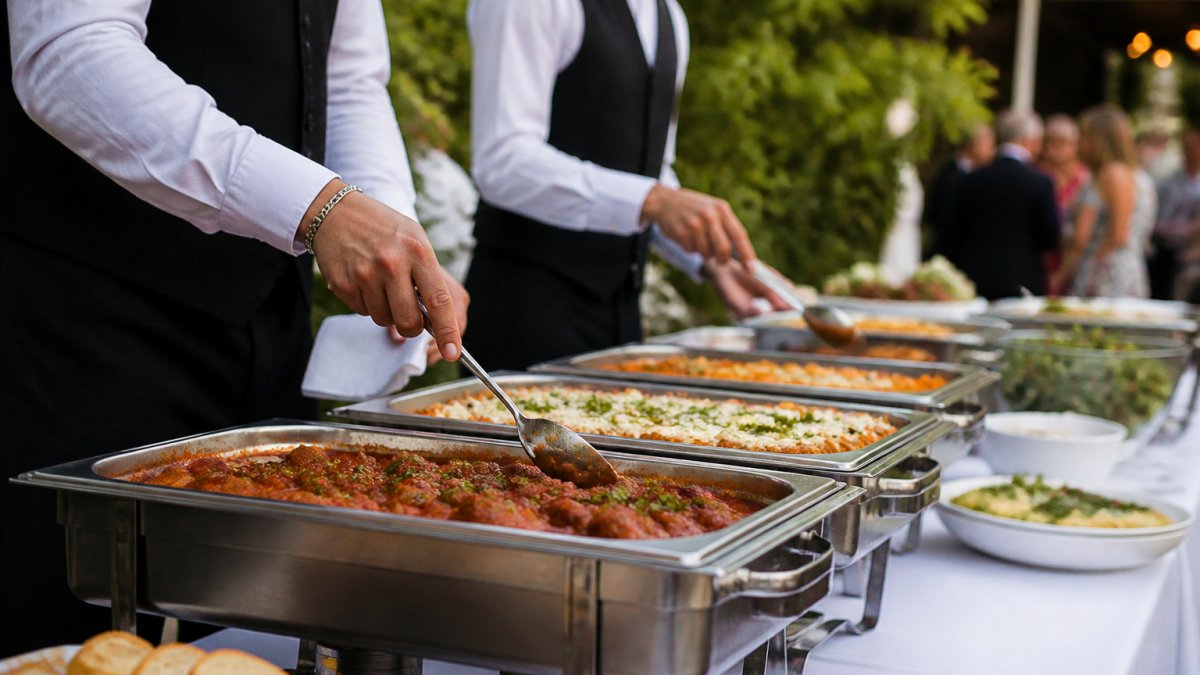
For larger gatherings, the restaurant also offers catering for private events and holiday parties. Contact the restaurant for a current quote.
Booking a Table for Your Next Authentic Pasta Meal
Book ahead, particularly for Friday and Saturday evenings or any holiday period. Popular Italian restaurants in Manhattan fill quickly, and walk-in availability is never guaranteed.
Arrive with a clear idea of what you want to order. Ask the server which pastas were made that day, and let them guide you toward the handmade options. A short conversation with the staff usually leads to a better meal than picking from the menu blind.
Frequently Asked Questions
What makes Neapolitan pasta different from other Italian pasta?
Neapolitan pasta reflects the cooking of Naples, where simple, produce-driven sauces such as tomato and basil, garlic and olive oil, and seafood-based preparations are central. Shapes and sauces are chosen to be eaten quickly and in generous portions, and many dishes rely on ingredients like San Marzano tomatoes, pecorino and good olive oil rather than heavy cream. When you compare menus, look for these classic preparations rather than rich, sauce-heavy Northern Italian dishes, which are a different tradition.
How can you tell if pasta is handmade?
Handmade pasta usually has an uneven, slightly rustic texture, with shapes that vary a little from piece to piece and a surface that holds sauce well. Dried commercial pasta looks more uniform and smooth. Ask your server whether the pasta is made in-house and which shapes are rolled or cut that day. Restaurants that serve fresh pasta often name specific shapes on the menu, such as orecchiette or cavatelli, and will tell you how often they are made.
Where can I find authentic Neapolitan pasta in NYC?
Start with restaurants that name Neapolitan or Southern Italian roots on their menus and describe their pasta as house-made. Paul & Jimmy's in Gramercy Park has served Neapolitan-inspired cooking since 1950 and features handmade pastas alongside Italian-American classics. Compare a few options by looking at the dishes they highlight, the shapes they make in-house, and whether the sauces follow traditional Neapolitan recipes. Check current menus online before you visit, since offerings change with the season.
Are Neapolitan restaurants known for pasta or pizza?
Neapolitan restaurants are best known for pizza, especially wood-fired pies with a soft, charred crust. Many also serve pasta, but the pasta menu is often smaller and built around simple, traditional sauces. If pasta is your priority, look for restaurants that feature several handmade shapes and classic Neapolitan dishes, not only a single spaghetti option beside the pizzas.