 listicle
7 Best Family Friendly Italian Restaurants in NYC
Last Updated: November 1, 2026
Quick Summary
Paul & Jimmy's is the best family friendly Italian restaurant in NYC for multi-generational dinners, a Gramercy Park room serving Neapolitan-rooted cooking and handmade pasta since 1950. Other strong picks include Tony's Di Napoli for shareable platters, Carmine's for big groups, Zia Maria in Little Italy and Da Andrea in Greenwich Village.
- Book the early seating: families who eat at 5:30 get a calmer room and faster service.
- Ask specifically about high chairs, kids' menu or half portions, stroller room and changing tables.
- Order one family-style platter per two to three people to avoid the most common over-ordering mistake.
- Check the NYC Health restaurant inspection portal for the current letter grade before booking.
- Small family rooms often have tighter seating and fewer high chairs than large family-style operations.
Table of Contents
- What Makes a Family Friendly Italian Restaurant in NYC
- 1. Paul & Jimmy's: The Gramercy Park Landmark Since 1950
- 2. Tony's Di Napoli: Family-Style Platters Made for Sharing
- 3. Carmine's Times Square: Big Portions, Bigger Groups
- 4. Zia Maria: Little Italy's Casual Homemade Pasta Stop
- 5. Da Andrea Greenwich Village: A Neighborhood Favorite for a Reason
- Italian Restaurants in NYC for Kids: What Parents Should Actually Check
- Family-Owned Italian Restaurants in Manhattan: Why Ownership Matters
- Frequently Asked Questions
What Makes a Family Friendly Italian Restaurant in NYC
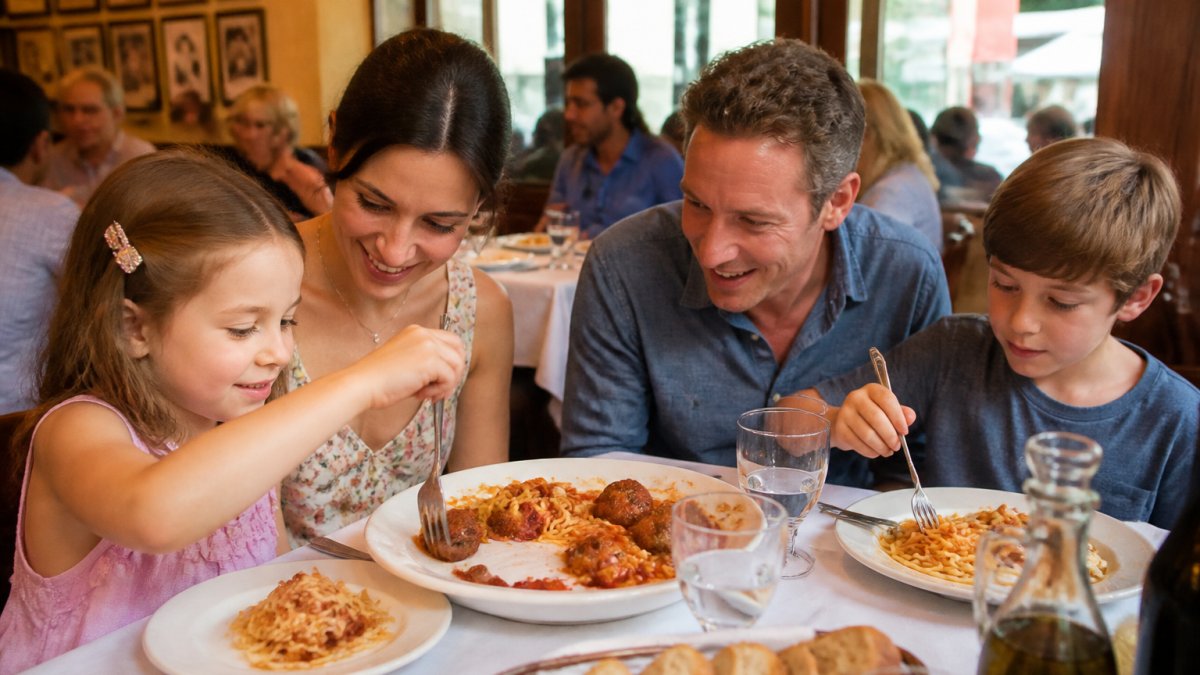
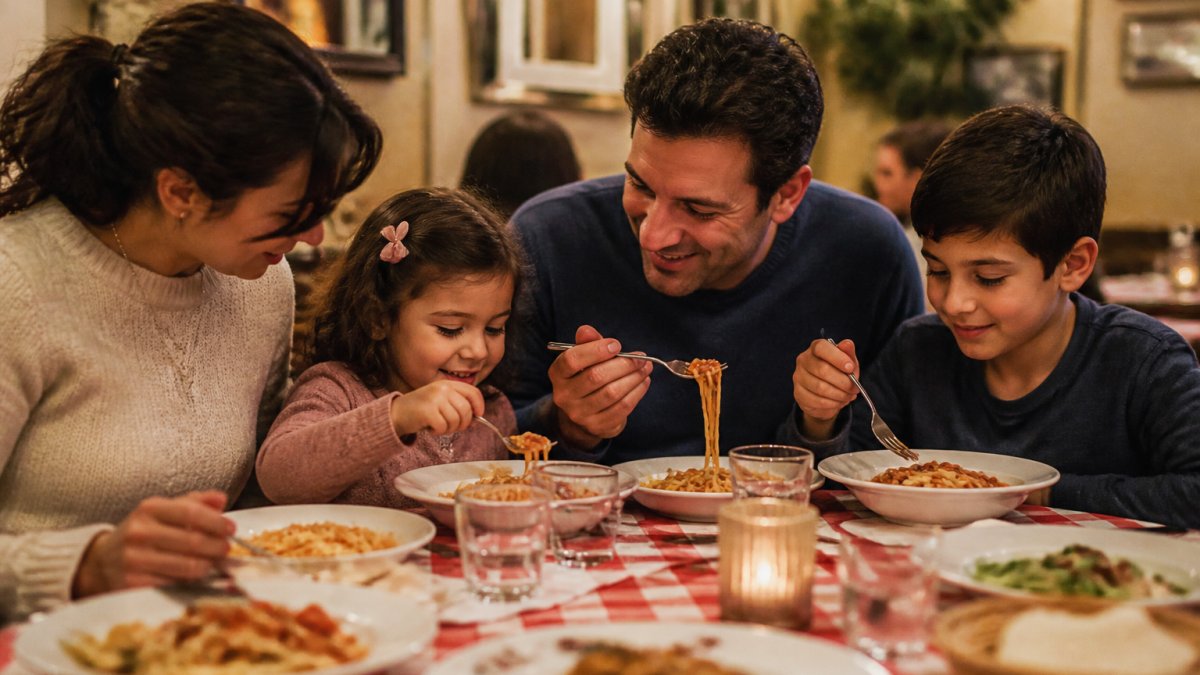
Finding a genuinely family friendly Italian restaurant in NYC comes down to four things: a menu that pleases both a picky seven-year-old and a grandparent, a room where a little noise doesn't earn you a glare, staff who treat children as guests rather than an inconvenience, and portions that justify what you spend. Everything else is decoration.
At Paul & Jimmy's, we have a strong opinion about what separates a real neighborhood restaurant from one that simply tolerates kids. Below, we rank the best family friendly Italian restaurants in NYC, with honest pros and cons and the practical details parents actually need.
The Criteria We Used
We scored each restaurant on five factors: menu range for children, noise tolerance and seating comfort, staff attitude toward families, portion-to-price relationship, and whether the place works for a Tuesday dinner and a birthday alike. NYC Department of Health restaurant inspection grades are public, so we factored current letter grades into our trust assessment. We also weighed neighborhood logistics, because a great restaurant across town is not a great family restaurant.
| Restaurant | Neighborhood | Best For | Watch Out For |
|---|---|---|---|
| Paul & Jimmy's | Gramercy Park | Multi-generational dinners | Book ahead on weekends |
| Tony's Di Napoli | Midtown West | Shareable family platters | Not near Gramercy |
| Carmine's | Times Square | Big groups | Tourist crowds |
| Zia Maria | Little Italy | Casual pasta stop | Tight seating |
| Da Andrea | Greenwich Village | Neighborhood date-night-plus-kids | Smaller room |
1. Paul & Jimmy's: The Gramercy Park Landmark Since 1950
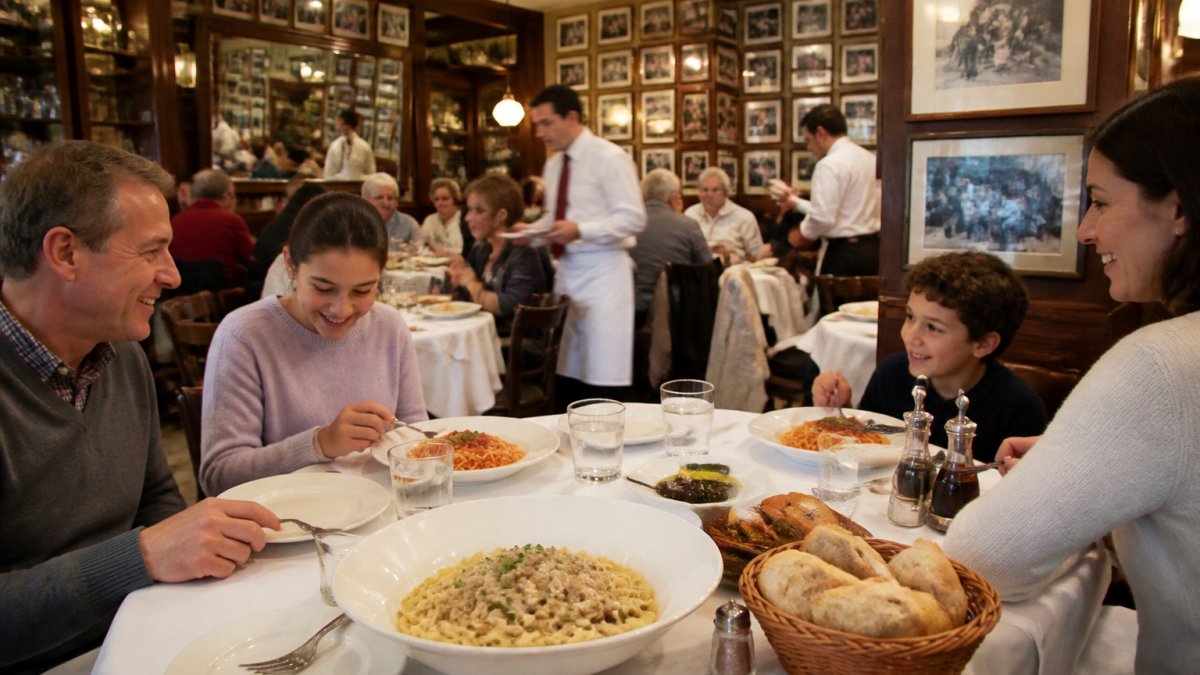
Paul & Jimmy's is the best family friendly Italian restaurant in NYC for multi-generational dinners, and it is our own table, so judge that bias as you like.
CDC guidance on food allergies for restaurants and diners is worth reading before any family dinner if allergies are in play, and it is why we ask about restrictions when you sit down.
Pros and Cons
Pros: Landmark setting with 75 years of history, handmade pastas, catering for small and large events.
What Families Order
Our menu lists current dishes so you can plan before you arrive. When you are ready, reserve a table for the whole family.
2. Tony's Di Napoli: Family-Style Platters Made for Sharing
Pros: Platters built for sharing, a genuinely casual atmosphere, open daily.
Cons: It is in Midtown, not Gramercy, and published menu prices were not available in our research, so call ahead or check the website. A common mistake is ordering one platter per person, which leaves most tables with leftovers.
3. Carmine's Times Square: Big Portions, Bigger Groups
Pros: Family-style service designed for groups, very generous portions, a location out-of-towners can find.
Cons: Times Square crowds are real, and the supplied research did not verify specific child-focused amenities. For a large party, our group reservations and private parties page covers how we handle bigger bookings.
4. Zia Maria: Little Italy's Casual Homemade Pasta Stop
Pros: Homemade pasta, casual setting, Little Italy location.
Cons: Seating is tight and the research did not verify a children's menu. Go early to avoid the wait.
5. Da Andrea Greenwich Village: A Neighborhood Favorite for a Reason
Pros: Strong guest reviews, neighborhood feel, Italian menu.
Cons: A compact dining room means strollers are awkward, and child-specific amenities were not confirmed in our research.
Italian Restaurants in NYC for Kids: What Parents Should Actually Check
Most roundups tell you a place is "family friendly" and stop there. That word hides the details that decide whether a dinner actually works: whether there is a high chair when you walk in, whether the kitchen has a kids' menu or will split an adult plate, whether a stroller fits between tables, and how loud the room gets at 6 p.m.
The five-point pre-visit check
- High chairs and booster seats. Ask how many the restaurant keeps and whether they are first-come or reserved. A room with two high chairs and twenty tables is a gamble on a Saturday; on a Tuesday it is fine.
- Kids' menu versus split plates. Some Italian kitchens print a small-portions menu; others will plate a half order of pasta for a child. Confirm which, and confirm whether a split-plate charge applies.
- Stroller access. This is about the door, the aisle, and the bathroom, not just the dining room. A step at the entrance or a narrow path between tables can strand a stroller. Ask whether strollers can park at the table or must be folded.
- Noise level. A busy Italian dining room at peak is loud; that usually helps families with young children and hurts families with a sensitive sleeper. Early seatings are calmer in nearly every room.
- Changing facilities. Ask directly whether the restroom has a changing table. Many classic Italian rooms in older buildings do not, and that single fact can decide the night.
How to ask, in one call
Skip the open-ended "are you family friendly?" question. Ask a short, specific list instead: "Do you have high chairs, a kids' menu or half portions, room for a stroller, and a changing table? What is the quietest seating time for a party of six with two children?" You will get usable answers in under two minutes, and you will learn a lot from how the person on the phone responds.
Dietary and allergy accommodations
Italian menus are usually the easiest cuisine to navigate with restrictions, because pasta, vegetables, and grilled proteins are adaptable. Ask two questions: "Do you have gluten-free pasta, and is it cooked in a separate pot?" and "Can the kitchen handle a dairy restriction on a pasta dish?" For any serious allergy, confirm the restaurant's cross-contact policy directly with the kitchen rather than relying on a menu symbol. CDC guidance on food allergies for restaurants and diners is a useful primer before you go.
Price and value, stated plainly
Menu prices change, so treat any figure you read online as a starting point and confirm on the restaurant's own menu before you book. A few patterns hold across most family-style Italian rooms:
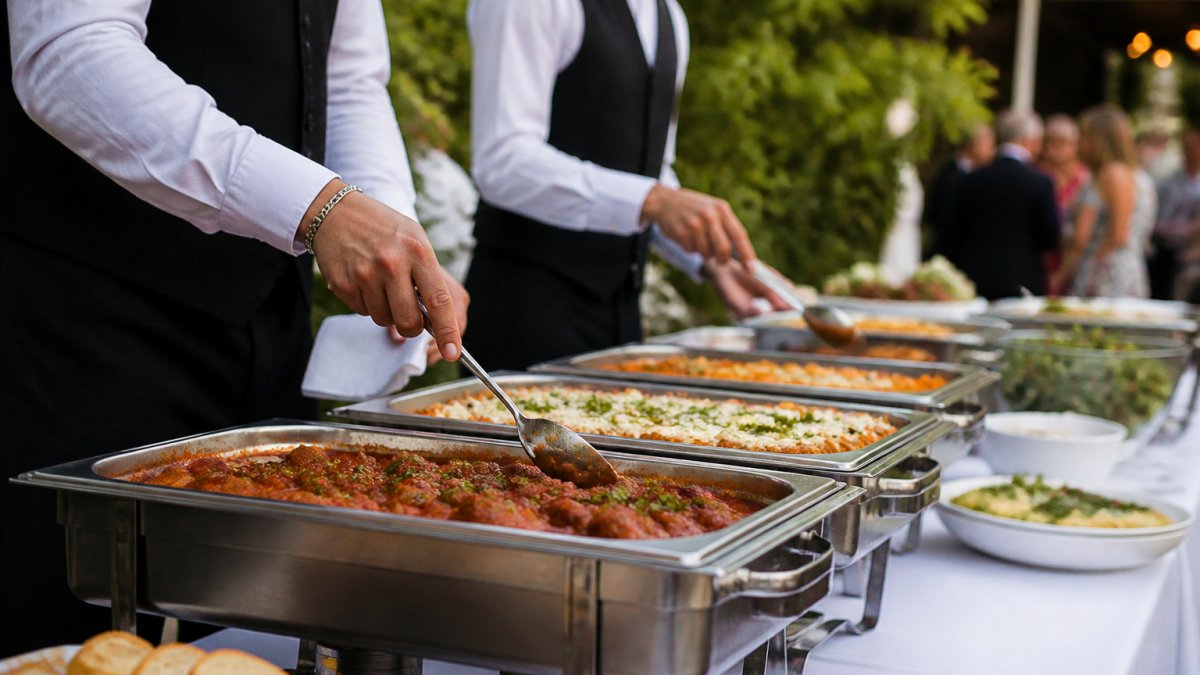
- Family-style platters are priced to feed two to three people each; ordering one platter per person is the most common over-ordering mistake and leaves most tables with leftovers.
- Kids' portions are often not on the printed menu. Ask whether a half order of pasta is available and what it costs.
- Shared appetizers and a shared pasta course usually beat individual entrées on cost per person for a family of four.
Neighborhood logistics beyond Little Italy
Little Italy is the obvious starting point, but it is not the only option, and for families the neighborhood often matters as much as the food. A few practical notes:
- Gramercy Park and the Flatiron district are calmer than Midtown at dinner and easy to reach by several subway lines; the streets are stroller-friendly and there are small parks nearby for a pre-dinner run-around.
- Greenwich Village has a dense cluster of neighborhood Italian rooms, but the side streets are narrow and the dining rooms are often small, so stroller space is the constraint to check first.
- Midtown West and Times Square handle large parties and out-of-town groups best, at the cost of crowds and noise at peak.
Wherever you go, check the NYC Health restaurant inspection portal for the current letter grade, read the actual menu rather than photos, and book ahead for parties of six or more. If you are planning a gathering at home instead, our catering covers family-style Italian for groups.
Family-Owned Italian Restaurants in Manhattan: Why Ownership Matters
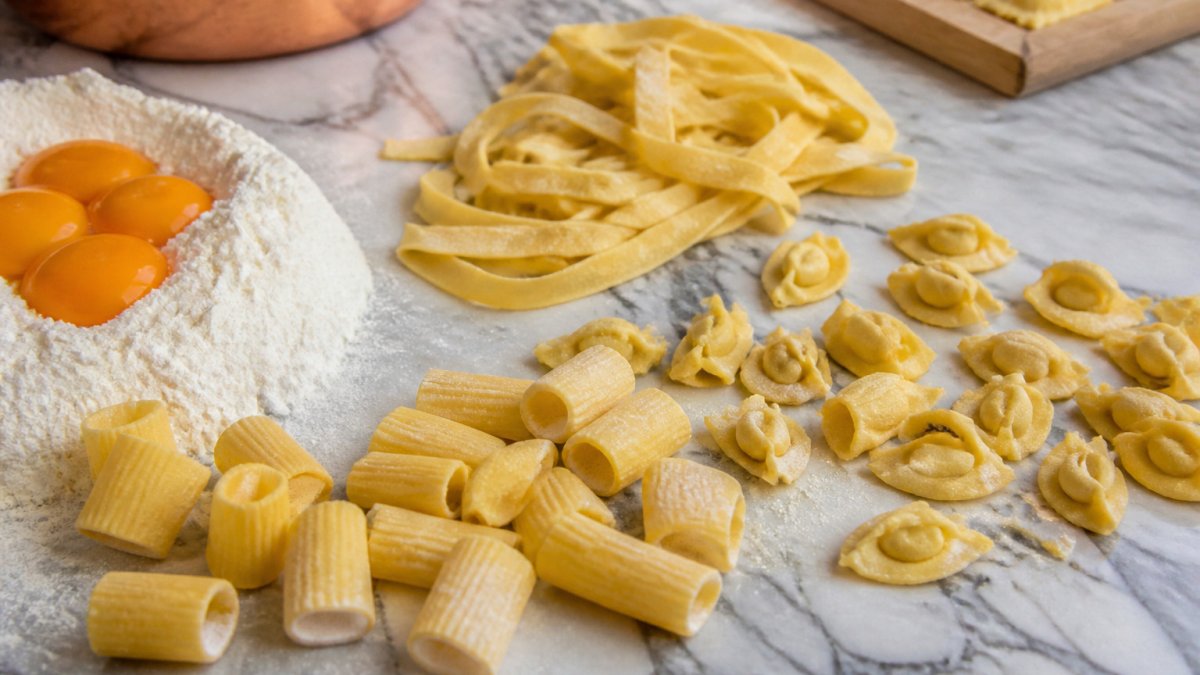
Ownership is not nostalgia. It shows up in decisions you can taste and feel: whether the pasta is made in-house that morning, whether the owner walks the floor and notices a child who needs a smaller fork, whether a request for sauce on the side gets a shrug or a yes. Family-operated Italian restaurants in Manhattan tend to keep the same kitchen team for years, and that consistency is what turns a restaurant into a neighborhood staple rather than a one-visit novelty.
What ownership actually changes, in concrete terms
- The pasta. A family kitchen that makes pasta in-house can adjust a portion, swap a shape, or run a special when an ingredient is good. A chain kitchen follows a spec sheet.
- The floor. When the owner is in the room, a high chair appears faster and a stroller gets parked without a negotiation. That is not a policy; it is attention.
- The menu. Family rooms tend to keep the dishes regulars order for decades and add slowly. That is good for picky children, because the familiar dish is genuinely the kitchen's best version of itself.
How to tell a real family operation from a family-themed one
Ask three questions, in person or on the phone: Who owns the restaurant, and how long have they owned it? Is the pasta made in-house? How long has the kitchen team been together? The answers separate a 75-year neighborhood room from a concept built last year. A short history on the restaurant's own website, a named owner on the menu, and staff who can tell you when the place opened are all good signals.
The trade-offs families should expect
Family ownership is not automatically family-friendly. Small family rooms often have tighter seating, fewer high chairs, and no changing table, because the building and the budget are old. Large family-style operations handle groups and strollers better but can feel like a machine at peak. Read our family story if you want the history, but come hungry and decide for yourself.
Frequently Asked Questions
What are the best family friendly Italian restaurants in NYC?
The strongest options combine generous portions, a relaxed atmosphere, and staff who do not flinch at a stroller. Paul & Jimmy's in Gramercy Park has served families since 1950 with handmade pastas and gluten-free accommodations. Check whether a kids' menu exists, how loud the room gets at 6 p.m., and whether reservations are accepted before you commit.
Which Italian restaurants in NYC are good for kids?
Look for places where the pacing works for short attention spans. Paul & Jimmy's accommodates dietary needs including gluten allergies. Call ahead and ask two questions: is there a kids' menu or half portions, and can a stroller fit at the table? Restaurants that answer those clearly tend to be the ones that genuinely welcome children rather than tolerate them.
Are there family-owned Italian restaurants in Manhattan?
Yes, and ownership shows up in the details. Paul & Jimmy's has operated in Gramercy Park since 1950, a 75-year run. Ask who owns the restaurant and how long they have run it; a clear answer usually signals a kitchen that takes pride in the food rather than a concept rolled out by a hospitality group.
Do family friendly Italian restaurants in NYC take reservations?
Many do, and for families with children a reservation is worth more than it is for couples. A booked table removes the 40-minute wait that turns a hungry kid into a meltdown. Paul & Jimmy's also offers catering for events of all sizes. For walk-in only restaurants, arrive before 5:30 p.m. or after 8 p.m. to avoid the peak crush. Always confirm the policy directly with the restaurant before you plan around it.
Deciding where to take a family in this city is harder than it should be, and the stakes are higher when kids, grandparents, and a check are all at the same table. Paul & Jimmy's has spent 75 years getting that balance right, with handmade Neapolitan-inspired pasta, a warm room that welcomes children, and staff who accommodate gluten allergies and special requests without making it a production. Get started with Paul & Jimmy's and give your family a table they will want to come back to.