 how-to
How to Avoid Rushed Dining in NYC: A Local's Guide
Last Updated: November 10, 2026
Quick Summary
Avoiding rushed dining in NYC starts with booking a table at a quieter time, such as 5:00-5:45 p.m. on weekdays or after 9:00 p.m. on weekends, and asking when you reserve whether the table has a time limit or another seating after yours. At the table, order a drink before food and ask for courses to be spaced out.
- Weekday dinner is quietest from 5:00 to 5:45 p.m., before the kitchen gets slammed.
- Saturday is the toughest night, busiest from 6:30 to 8:30 p.m.
- Allow 90 minutes for a standard dinner and up to four hours for a leisurely Italian meal.
- Some restaurants set table limits of 90 minutes to two hours on busy nights.
- If service feels rushed, flag it early and ask to hold the next course.
Table of Contents
- Why Rushed Dining in NYC Happens and How to Spot It Early
- Restaurant Reservation Timing: How to Book a Table That Isn't Crammed
- How Long to Allow for Dinner at a Restaurant
- How to Avoid Feeling Rushed at a Restaurant From the First Course
- How to Ask for More Time at a Restaurant Without the Awkwardness
- Table Time Limits and Dining Pace: What Restaurants Can and Can't Do
- What to Do When Service Feels Rushed Mid-Meal
- Reserve a Table at Paul & Jimmy's for an Unhurried Evening
- Frequently Asked Questions
Why Rushed Dining in NYC Happens and How to Spot It Early
Avoiding rushed dining in NYC starts with understanding why it happens. Most restaurants here run on table turnover: the faster a table clears, the more covers the kitchen serves. That math shapes everything from how quickly your server greets you to when the check lands.
A meal can feel hurried before the food even arrives. Here's what to watch for:
- A server asks for your order within minutes of seating you
- Courses arrive before you've finished the one before
- The check appears while someone is still eating
- Menus get cleared away early, a quiet signal to wrap up
None of these are accidents. They're pacing cues, and once you can read them, you can respond to them.
Restaurant Reservation Timing: How to Book a Table That Isn't Crammed
Restaurant reservation timing is the single biggest lever you control. The slot you pick shapes the pace of your entire meal. Here is a practical, time-of-day guide to quieter meal times by meal type, plus the exact questions to ask when you book.
A Time-of-Day Guide to Quieter Dining
Use these windows as a starting point. They reflect common patterns in busy dining rooms, not guarantees, so confirm with the restaurant when you book.
Weekday dinner
- Quietest: 5:00-5:45 p.m. The room is still filling and the kitchen is not yet slammed.
- Busiest: 7:00-8:30 p.m. Prime slots, especially Thursday and Friday.
- A workable middle: 6:00-6:30 p.m. You beat the peak but the kitchen is warmed up.
Weekend dinner
- Quietest: 5:00-5:30 p.m. or after 9:00 p.m. The late seating is often calmer than the 7-8 p.m. crush.
- Busiest: 6:30-8:30 p.m. Saturday is the toughest night of the week.
- Watch out: a 5:00 p.m. Saturday table can feel rushed if the restaurant has a hard turn before the 7:30 p.m. seating. Ask about the next reservation on that table.
Weekday lunch
- Quietest: 11:30 a.m. or after 1:30 p.m. The noon-1:00 p.m. window is the office rush.
- Busiest: 12:00-1:00 p.m., especially near business districts.
Weekend lunch and brunch
- Quietest: right at opening (often 10:00-11:00 a.m.) or after 2:00 p.m.
- Busiest: 11:00 a.m.-1:30 p.m., particularly near tourist crowds and popular brunch spots.
Neighborhood and occasion notes
- Theater nights: book by 5:00-5:30 p.m. if you want a relaxed pre-show meal; the 6:00-6:30 p.m. window is when theaters and restaurants both fill.
- Sightseeing days: eat lunch at 11:30 a.m. or after 1:30 p.m. to avoid the midday crush near major attractions.
- Business meals: a 12:00 p.m. or 7:00 p.m. table is expected to move faster; choose 11:30 a.m. or 1:30 p.m. for a calmer lunch, or 5:30 p.m. for a quieter dinner.
What to Say When You Book Ahead
Tell the host exactly what you want. A simple script works:
"We'd like a table with no time pressure. Is there a seating that lets us take our time?"
Ask these questions when you book:
- Does this table have a time limit?
- How long is the reservation held for?
- Is there another seating on this table after ours?
- Can we request a slower pace when we arrive?
For groups, group reservations and private parties are worth discussing with the restaurant when you plan. Booking ahead is generally the safer choice.
If you want a quieter setting for a date, our guide to cozy Italian restaurants for date night in Gramercy Park covers the calmer spots and times worth targeting.
How Long to Allow for Dinner at a Restaurant
Allow 90 minutes for a standard dinner and up to four hours for a leisurely Italian meal with multiple courses. The right window depends on what you ordered and how you want to eat.
A quick bite takes about an hour. A full dinner with antipasto, pasta, a main, and dessert runs closer to two hours. Add coffee and conversation and you're at three.
Plan your pacing around the courses. If you want a slow evening, say so when you order. Glancing at our food menu before you arrive helps you choose a pace that fits the night.
Match your time budget to the meal you're planning so the pace never catches you off guard.
| Meal type | Time to allow | Note |
|---|---|---|
| Quick bite | About an hour | Fastest option |
| Standard dinner | 90 minutes | Baseline for a normal meal |
| Full dinner with antipasto, pasta, main, dessert | Closer to two hours | Course-by-course pacing |
| Leisurely Italian meal with multiple courses | Up to four hours | Add coffee and conversation for three |
How to Avoid Feeling Rushed at a Restaurant From the First Course
The first ten minutes set the tone. Slow the start and the rest of the meal tends to follow.
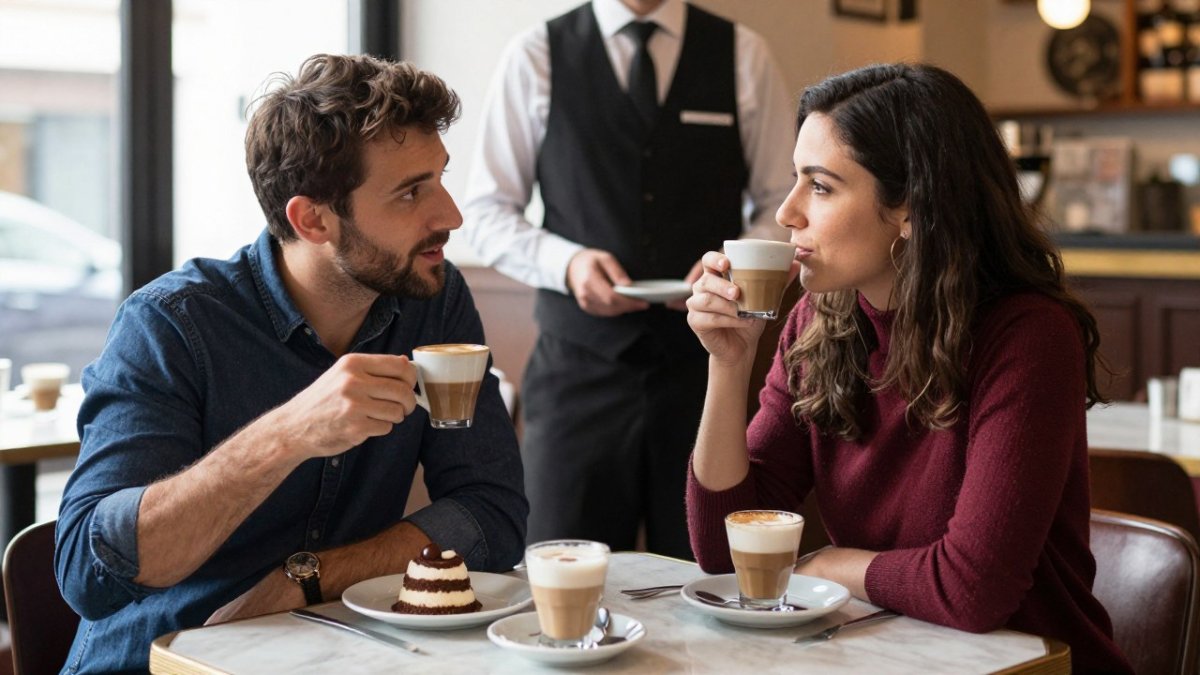
A few habits that work:
- Order a drink before you order food
- Ask for courses to be spaced out
- Keep your menu until you're ready
- Request bread or an antipasto to open the meal
The thing nobody tells you about slow dining is that it's mostly about signaling. Servers read your table. If you're still talking over open menus, they'll wait. If your plates are stacked and your card is out, they'll move you along.
How to Ask for More Time at a Restaurant Without the Awkwardness
Asking for more time is easier than most diners expect. Say it plainly and early, and staff will almost always work with you.
Try one of these lines:
- "We're not in a hurry. Could you pace the courses slowly?"
- "We'd love to linger over dessert. No rush on the check."
- "Can we hold off on the next course for a bit?"
Ask before the rush, not during it. A request made at the start of the meal is a plan. A request made when the check lands feels like a problem.
For more scripts and tactics, our how-to guides collect practical advice on handling dining pace without friction.
Table Time Limits and Dining Pace: What Restaurants Can and Can't Do
Some restaurants set table time limits, usually 90 minutes to two hours on busy nights. It's common for prime weekend slots. This section explains how to check those policies before you book, what the limits can mean in practice, and how to choose a venue that suits a long meal.
How to Check Seating Durations Before You Book
Ask directly when you reserve. A good restaurant will tell you up front and seat you in a slot that fits your plans. Use these questions:
- "Is there a time limit on this table?"
- "How long is the reservation held for?"
- "Is there another seating on this table after ours?"
- "If we want a longer meal, which seating should we book?"
Check the restaurant's website or reservation platform notes before you book. Many list seating durations or note "1.5-hour table" on prime slots. If the answer is vague, pick a different time or a different venue.
What Common Limits Mean in Practice
- 90 minutes: A standard dinner pace. Fine for two courses and coffee, tight for a multi-course meal with lingering.
- Two hours: Comfortable for a full dinner with antipasto, pasta, a main, and dessert.
- No stated limit: Often means the restaurant paces by course rather than by clock, but confirm, some rooms still turn tables quietly.
Watch out: a limit stated at booking is enforceable; one sprung mid-meal is not something a good restaurant should do. If a limit applies, you'll hear it at booking.
Choosing a Venue Suited to a Long Meal
If you want an unhurried evening, look for restaurants that build their schedule around slow dining rather than fighting it. Signs to look for:
- Reservations are spaced in longer blocks, or the host mentions pacing when you book.
- The menu is built around courses rather than a single plate.
- The room has a mix of quick-turn and linger-friendly tables; ask for the latter.
- Staff confirm your pacing preference when you sit down.
Dining pace is a shared thing. The kitchen, the server, and you all shape it. Restaurants that respect slow dining will tell you their policy plainly and seat you accordingly.
What to Do When Service Feels Rushed Mid-Meal
Sometimes the pace shifts after you sit down. The room fills, the kitchen backs up, and suddenly your courses land on top of each other.
Here's how to handle it:
- Flag it early. Tell your server the pace feels fast.
- Ask to hold the next course. Most kitchens can pause.
- Speak to the manager if it continues. Calm and specific works best.
- Slow your own side. Order coffee, keep conversation going.
A common mistake is staying silent and then feeling resentful. Staff can't fix a problem they don't know about. A quick word at the table solves most of it.
Reserve a Table at Paul & Jimmy's for an Unhurried Evening
A relaxed meal shouldn't feel like a rare find. At Paul & Jimmy's, we've served Gramercy Park since 1950, and we've built our dining room around the idea that a meal is meant to be savored.
Our handmade pastas and Neapolitan-inspired classics are a great fit for a relaxed evening.
You don't need a special occasion to eat well and take your time. You just need a table that lets you.
The next time you book dinner, ask for the slower slot. Tell your server you're in no hurry. Then settle in and let the evening run long.
Frequently Asked Questions
Are restaurants allowed to set time limits on tables?
Yes. A restaurant can set a table time limit as a condition of your reservation, as long as it is disclosed when you book. Many busy spots note a 90-minute or two-hour window on the reservation page or confirm it by phone. The limit is a policy, not a law, so it varies by venue. If you want a slower dining pace, ask about the table window before you commit, and book a later seating where turnover pressure is lower.
How long should you plan for dinner at a restaurant?
For a full dinner with appetizers, a main, and dessert, allow about two hours. A quick two-course meal can fit in 75 to 90 minutes, while a celebratory dinner with wine and coffee often runs two and a half to three hours. When deciding how long to allow for dinner at a restaurant, factor in the day: weekend evenings at popular spots move slower on the kitchen side but faster on table turnover, so build in buffer time.
Is it rude to ask for a slower dining pace?
No. Telling your server you would like to take your time is a normal request, and good waitstaff will pace the courses accordingly. The key is to say it early, ideally when you order, so the kitchen does not fire your main course while you are still on appetizers. A simple line like we are not in a hurry, please pace it out works. It helps the server plan and protects your table time.
What is the best time to make a dinner reservation to avoid a rush?
Early seatings, around 5:00 to 5:45 p.m., and later seatings, after 8:30 p.m., usually see less table-turnover pressure than the 7:00 to 8:00 p.m. peak. Lunch rush runs roughly noon to 1:30 p.m., so a 1:45 p.m. booking is calmer. When you call, ask whether your slot falls in a busy service window. Restaurant reservation timing is the single biggest lever for an unhurried meal.