 ultimate-guide
How to Understand Why Traditional Italian Restaurants Matter
Last Updated: October 25, 2026
Quick Summary
Traditional Italian restaurants matter because they preserve culinary knowledge, maintain regional food traditions refined across generations, and create cultural anchors that strengthen communities by supporting local suppliers and employing skilled workers.
- Handmade pasta and fresh ingredients have textures and flavors that mass-produced alternatives cannot replicate.
- Each Italian region developed distinct cooking traditions based on geography, climate, and available resources.
- Traditional restaurants support local economies through relationships with small suppliers, importers, and artisanal producers.
- Culinary knowledge survives only through active practice and teaching in traditional kitchens with experienced cooks.
- Look for regional menu specificity, in-house pasta and bread, and staff who can explain ingredient sourcing to identify authentic restaurants.
Table of Contents
- What Makes an Italian Restaurant Authentic
- How Traditional Italian Cooking Differs from Mass Production
- Regional Italian Cuisine: Why Local Traditions Matter
- The Cultural and Economic Impact of Traditional Italian Restaurants
- Preserving Culinary Knowledge Across Generations
- How to Find Authentic Italian Food in Your Area
- Plan Your Next Visit to a Traditional Italian Restaurant
- Frequently Asked Questions
What Makes an Italian Restaurant Authentic
Authenticity in Italian dining means more than serving pasta and red sauce. It's about honoring culinary traditions refined across generations, using techniques and ingredients that reflect the specific regions they come from. An authentic traditional Italian restaurant maintains these practices even when shortcuts would be easier or cheaper.
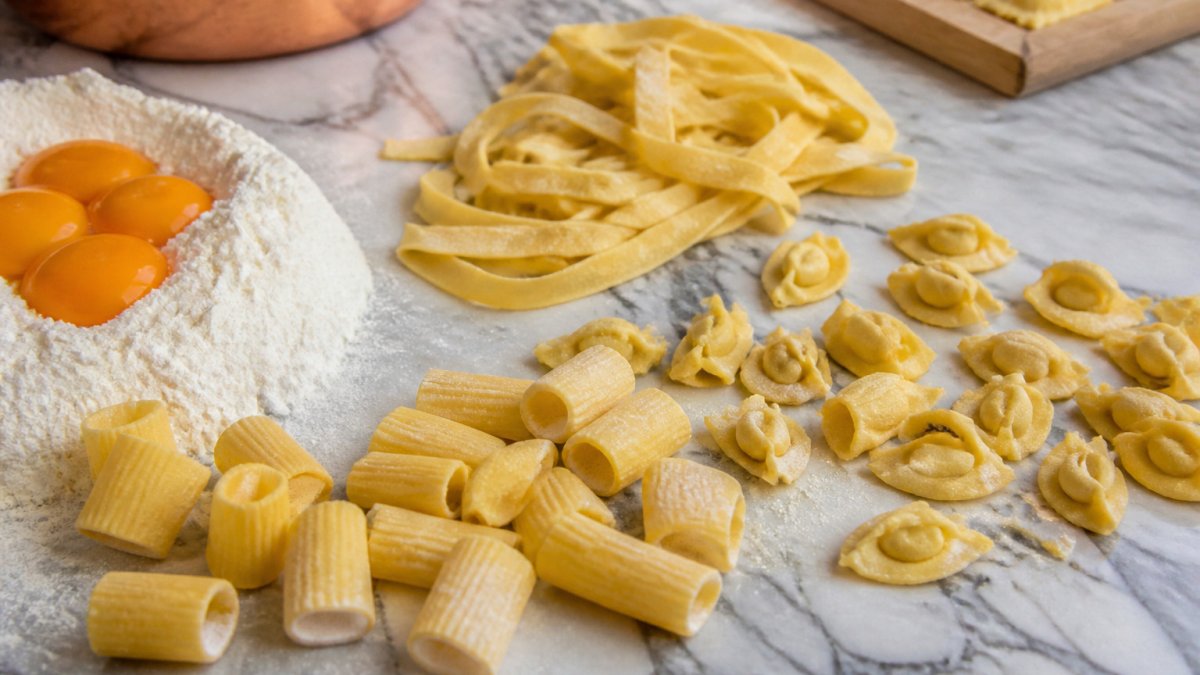
The difference shows up immediately. Handmade pasta has a texture and bite that dried, mass-produced versions cannot replicate. Fresh mozzarella tastes nothing like the pre-shredded alternative. These aren't minor details, they're the foundation of what separates a restaurant genuinely rooted in culinary heritage from one merely using Italian as a marketing label.
At Paul & Jimmy's, we've built our 75-year reputation on this principle. Our commitment to Neapolitan-inspired cooking and handmade pastas means resisting pressure to industrialize our kitchen, maintaining relationships with suppliers who share our standards, and training our team to understand why these traditions exist. Learn about our family history and philosophy at our landmark location.
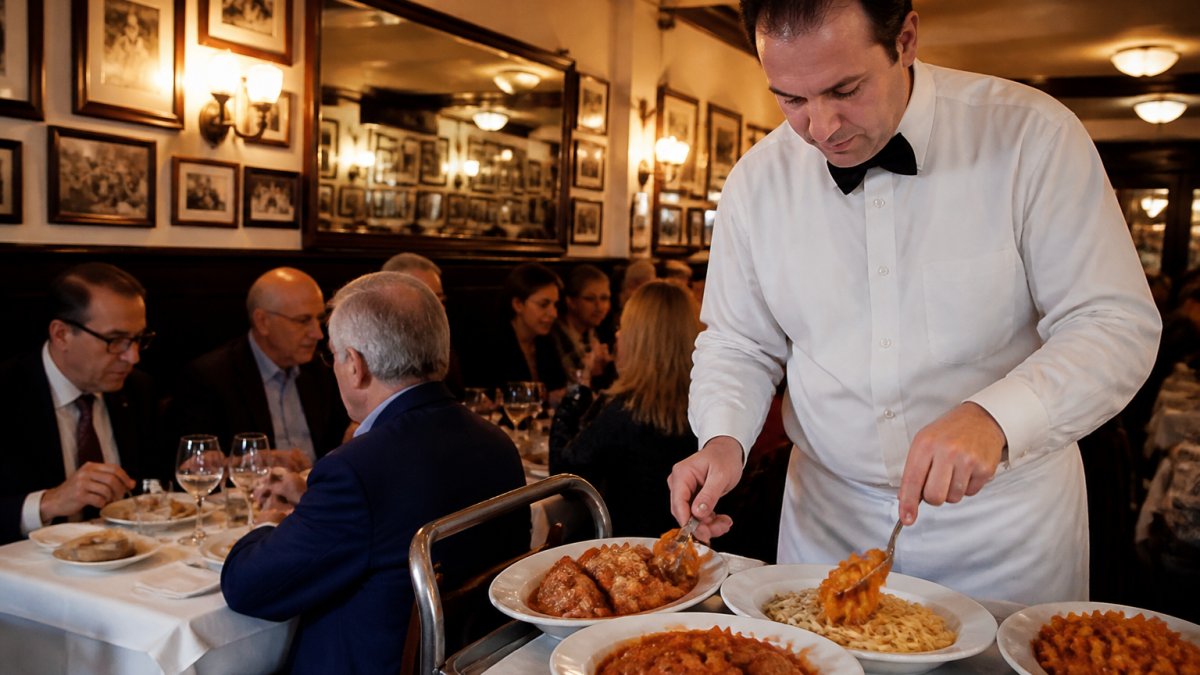
Authenticity also extends to how meals are structured and served. Traditional Italian dining emphasizes shared experiences, family-style portions, and a pace that encourages conversation rather than rushing diners through courses (5 Important Table Manners To Remember In Italy). The atmosphere should feel welcoming and lived-in, not sterile or pretentious, because hospitality is part of the cuisine itself.
How Traditional Italian Cooking Differs from Mass Production
Traditional Italian cooking prioritizes quality ingredients and time-intensive techniques. A dish made from scratch, whether pasta rolled by hand, sauce simmered for hours, or risotto stirred constantly, requires labor that cannot be compressed without compromising the result. Mass production optimizes for speed and consistency through standardization.
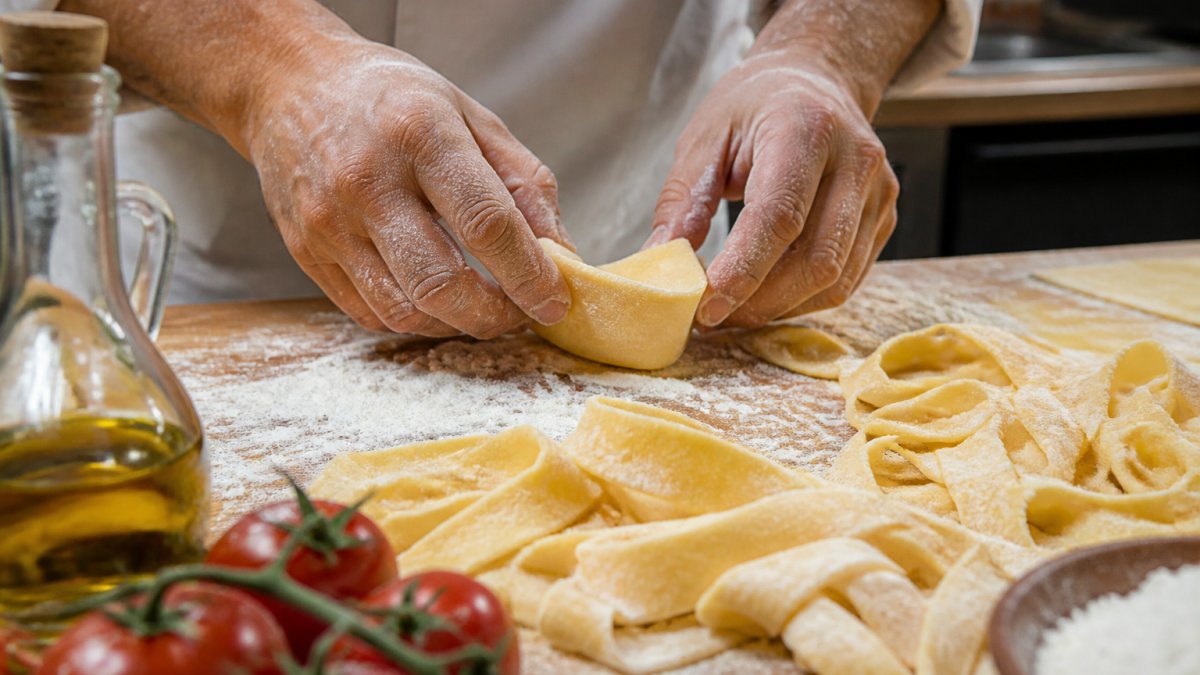
The cooking methods tell the story. Traditional Italian kitchens use centuries-old techniques: slow braising for depth of flavor, hand-rolling pasta for specific textures, building stocks and sauces from whole ingredients rather than pre-made bases. A proper Bolognese simmers for hours so flavors meld and intensify; a mass-produced version might be prepared in minutes using shortcuts and flavor enhancers.
Ingredient sourcing creates another clear division. Traditional restaurants source regionally when possible, knowing that tomatoes grown in specific soil produce specific flavors and that certain cheeses come from particular regions for reasons rooted in geography and tradition. Mass production demands ingredients that are consistent, shelf-stable, and available year-round, sacrificing flavor and seasonal variation for convenience.
The human element matters too. A traditional kitchen passes knowledge from experienced cooks to newer staff through direct teaching. Recipes live in technique and judgment, not just written instructions: a cook learns when pasta dough has the right texture by feel, when a sauce has reduced enough by taste, when a dish needs adjustment based on that day's ingredients.
Regional Italian Cuisine: Why Local Traditions Matter
Italy's culinary identity isn't monolithic. The food of northern regions differs dramatically from the south: Piedmont has its own traditions, Sicily entirely different ones, and Campania, home to Naples and the Neapolitan cuisine we specialize in, has its own distinctive character. Geography, climate, and history shaped what people could grow, raise, and preserve in each area.
Understanding regional Italian cuisine means recognizing there's no single "authentic Italian food." There's authentic Sicilian, Roman, and Tuscan food. Each region developed its own approach based on available resources: coastal regions rely on seafood and preserved fish, agricultural regions built traditions around grains and vegetables, and mountainous areas developed different preservation methods than plains.
Neapolitan cooking, the tradition at the heart of Paul & Jimmy's, reflects the history and resources of Campania. Tomatoes, olive oil, fresh mozzarella, and pasta form the foundation, and the style emphasizes simplicity, letting quality ingredients speak for themselves rather than masking them with heavy sauces. This approach emerged from what thrived in that specific place.
When restaurants claim to serve "Italian food" without acknowledging regional specificity, they erase the distinctions that make the cuisine rich. A traditional restaurant grounds itself in a particular region's food culture, and that specificity separates authentic regional cuisine from a generic interpretation of "Italian."
The Cultural and Economic Impact of Traditional Italian Restaurants
Traditional Italian restaurants serve a purpose beyond providing meals. They function as cultural anchors, preserving food traditions that might otherwise fade, creating gathering spaces where community happens, employing people, supporting local suppliers, and contributing to neighborhood character and identity.
The economic impact is easiest to see in an independent kitchen's cost structure. Labor costs run higher because so much work is done by hand. Food costs are often higher too, since the kitchen buys quality ingredients.
The supply chain is where the local economic effect compounds. A traditional restaurant buys from produce distributors, specialty importers, and often directly from regional farms and artisanal producers, and each relationship supports another small business.
Labor is the other half of the ledger. Independent restaurants employ kitchen staff, servers, and managers who develop portable skills. Unlike chains that extract profits to distant headquarters, independent traditional restaurants recirculate money locally through wages, rent, and purchasing.
When traditional restaurants close, a neighborhood loses not just a place to eat but a cultural institution. The knowledge held by experienced cooks disperses, supplier relationships break, and young people lose access to mentors. The loss is rarely replaced by a new chain location.
For communities like Gramercy Park, traditional restaurants represent continuity and authenticity in an environment of constant change: places where long-term residents maintain connections to their heritage, families celebrate in genuinely welcoming spaces, and the food reflects real tradition rather than corporate interpretation.
Preserving Culinary Knowledge Across Generations
Culinary traditions survive only when actively practiced and taught. A recipe in a cookbook is incomplete; it lacks the judgment, timing, and intuition that come from making it hundreds of times.
Traditional restaurants become repositories of this knowledge. An experienced cook who has spent decades perfecting techniques holds information that cannot be captured in training manuals. This expertise represents generations of accumulated learning.
When young cooks work in traditional kitchens, they absorb this knowledge through practice and observation, learning not just what to do but why each step matters. They develop the judgment to adapt techniques to different circumstances while maintaining the tradition's integrity.
The risk is clear: if traditional restaurants disappear, this knowledge disappears with them. Younger generations without access to traditional cooking environments may never develop these skills. The continuity breaks.
How to Find Authentic Italian Food in Your Area
Identifying authentic Italian restaurants requires knowing what signals to look for, and they're more specific than most diners realize. The goal isn't to certify authenticity, which is subjective, but to recognize the practices that accompany a genuine commitment to tradition.
Start with the menu's regional logic. Does it reflect a specific region, or claim to offer "Italian food" broadly?
Look at the pasta. Is it made in-house or imported, and if imported, from where? A restaurant serious about authenticity can explain its pasta sourcing, and the texture of handmade pasta is noticeably different from dried.
Check the ingredient list when possible. Authentic restaurants take pride in their ingredient choices and can articulate why they matter. A server who can name the region a cheese comes from is a better signal than a menu adjective.
Pay attention to atmosphere and service pace. Are diners rushed through courses or encouraged to linger? Does the space feel authentically lived-in or designed to look that way?
Ask about the restaurant's history. How long has it operated, and has ownership stayed in one family or changed hands frequently? Longevity and continuity of ownership often correlate with commitment to tradition. A restaurant that has maintained its standards for decades has proven its dedication.
Finally, support what you find. Independent traditional restaurants depend on repeat business and word of mouth more than chains do. Returning regularly, asking questions about the food, and recommending the place to others keep the tradition economically viable.
Look for these specific practices to identify restaurants genuinely committed to traditional Italian cooking.
| Signal | What to Look For | Why It Matters |
|---|---|---|
| Menu | Reflects specific region, not broad Italian | Shows regional commitment over crowd-pleasing |
| Pasta | Made in-house or imported with sourcing explained | Handmade pasta has noticeably different texture |
| Bread | Baked in-house | Kitchen doing hand work signals broader commitment |
| Staff knowledge | Can name cheese regions and explain sourcing | Indicates pride in ingredient choices |
| Service pace | Courses sequential, diners encouraged to linger | Prioritizes conversation over table turnover |
| Restaurant history | Long-term operation with continuous ownership | Longevity correlates with tradition commitment |
Plan Your Next Visit to a Traditional Italian Restaurant
Experiencing a traditional Italian restaurant properly means adjusting your expectations about pacing and portion sizes. Traditional Italian meals unfold slowly. Courses arrive sequentially, not all at once. This rhythm is intentional, it allows time for conversation, digestion, and enjoyment.
Understanding the menu structure helps too. Antipasti come first, followed by primi (pasta or risotto), then secondi (meat or fish), vegetables, cheese, dessert, and coffee. You don't need every course; many diners choose a primo and secondi, or just a primo and salad.
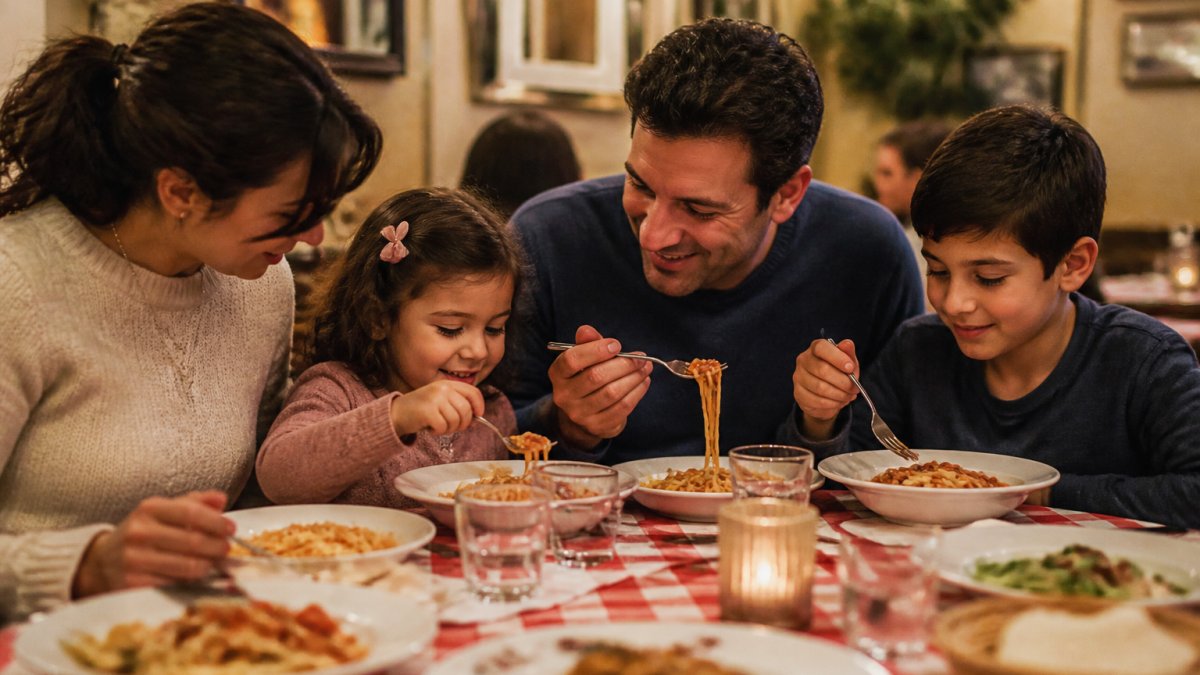
Family-style dining, where dishes are shared among the table, is central to Italian food culture. It encourages conversation and connection and lets you taste more variety. When ordering, consider what works well shared and which flavors complement each other.
For a special occasion or regular dining, reserve a table at Paul & Jimmy's and experience how a 75-year commitment to tradition translates into every aspect of the meal. Our warm and welcoming atmosphere accommodates celebrations, family dinners, and intimate occasions.
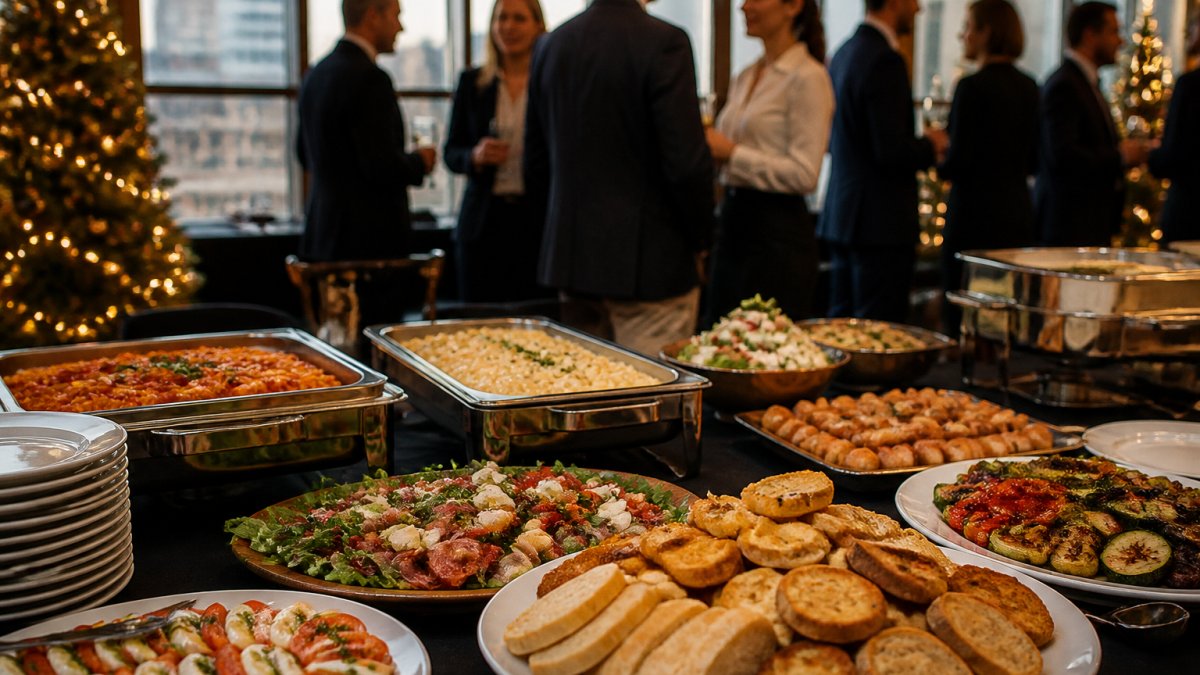
If you're planning an event, explore our catering services for gatherings of any size.
Traditional Italian restaurants matter because they preserve something mass production cannot replicate: the connection between food, culture, and community. They maintain standards when shortcuts would be easier, teach the next generation of cooks, and create spaces where people genuinely connect.
Frequently Asked Questions
What makes traditional Italian restaurants different from casual Italian chains?
Traditional Italian restaurants prioritize handmade pasta, seasonal ingredients, and family recipes passed down through generations. They source quality ingredients like imported olive oil and San Marzano tomatoes, prepare dishes to order, and focus on simple preparation that lets flavors shine. Casual chains rely on pre-made components and standardized menus. The difference shows in taste, texture, and the care evident in every dish.
How can you recognize a traditional Italian restaurant?
Look for restaurants that make pasta fresh daily, feature regional specialties on the menu. Ask if they use imported ingredients or work with specific regions. Traditional restaurants often have long-standing ownership, and staff who can explain the origins of dishes. A genuine commitment to authenticity shows in details like house-made sauces and seasonal menu changes rather than year-round consistency.
Why does supporting traditional Italian restaurants matter for your community?
Traditional Italian restaurants keep culinary heritage alive and strengthen local food culture. They employ skilled cooks, source from local suppliers, and create gathering spaces where families and neighbors connect. When these restaurants close, generations of recipes and techniques disappear. Supporting them preserves food traditions, sustains skilled jobs, and maintains the character of neighborhoods. Each meal you share there supports a business committed to quality over profit margins.
Is traditional Italian food more expensive than other options?
Quality ingredients and handmade preparation require more time and cost than mass-produced alternatives, so prices reflect that investment. However, the value lies in superior taste, freshness, and the experience of dining in a space built on decades of tradition. The cost supports sustainable practices and fair wages for skilled kitchen staff rather than corporate profits.